salakhalimunmountain.com – When you think of the deep rainforests of Mount Salak, your mind likely goes straight to the towering trees, the misty peaks, or perhaps the elusive Javan Leopard. But there is another world just as vibrant and full of life hidden beneath the surface of the crystal clear streams that tumble down these volcanic slopes. The freshwater fish species in Mount Salak streams are the quiet residents of our aquatic corridors, living in some of the most pristine water sources in all of Java. To peer into a shallow pool near a waterfall is to see a delicate balance of evolution, where specialized species have adapted to survive in fast flowing, oxygen rich waters that have remained untouched for centuries.
The Pristine Waters of the Salak Highlands
A Natural Filtration System
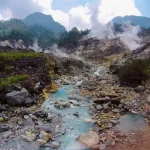
The streams of Mount Salak are famous for their clarity. This is because the mountain acts as a massive natural filter. Rainwater falls onto the dense canopy, trickles down through thick layers of moss and volcanic soil, and eventually emerges as cold, mineral rich springs. This environment is perfect for freshwater fish that require high oxygen levels and low pollution. Unlike the slow moving, murky rivers of the lowlands, the mountain streams here are dynamic and energetic. The fish that call these waters home are masters of current management, often possessing streamlined bodies or specialized fins that allow them to cling to mossy rocks even when the tropical rains turn a gentle creek into a rushing torrent.
The Importance of Riparian Zones
The health of the fish in Salak Halimun is directly tied to the health of the surrounding forest. The trees along the banks, known as the riparian zone, provide shade that keeps the water temperature stable and cool. Falling leaves and insects from the canopy provide the primary food source for many species. When you walk with us along the banks of the Ciampea or the various tributaries of the Cisadane river, you are seeing a perfect partnership between land and water. If the forest stays healthy, the streams stay cool, and the fish thrive. It is a beautiful cycle of life that we work hard to protect through responsible trekking and conservation awareness.
Notable Fish Species of the Region
The Hardy Tor Soro and Mountain Barbs
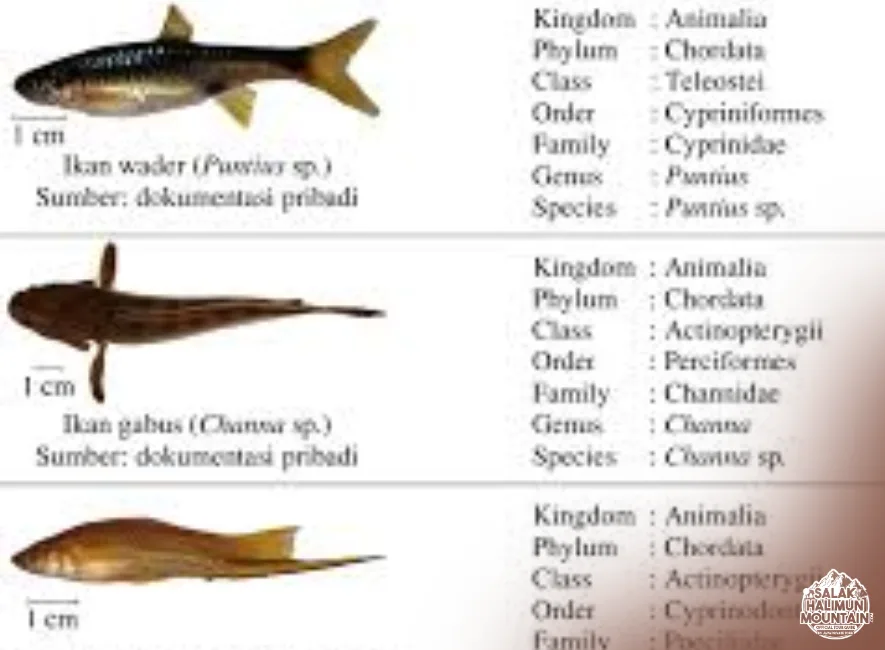
One of the most iconic residents of West Javan mountain streams is the Tor Soro, often locally referred to as Kancra. These fish are highly respected in local culture and are known for their strength. They prefer the deeper, oxygenated pools at the base of waterfalls where they can find plenty of food brought down by the current. Alongside them, you will often see various species of mountain barbs or Rasbora. These smaller, shimmering fish move in schools, darting through the dappled sunlight that filters through the rainforest leaves. They are the “canaries in the coal mine” for water quality; their presence is a guaranteed sign that the water is pure enough to drink.
Stream Gobies and Rock Clingers
Perhaps the most fascinating fish in Mount Salak are the Sicyopterus, or stream gobies. These small, specialized fish have pelvic fins that have evolved into a suction cup like structure. This allows them to literally climb up wet rocks and even scale the faces of small waterfalls to reach upstream breeding grounds. They graze on the algae growing on submerged stones, playing a vital role in keeping the stream bed clean. Observing these tiny explorers is a favorite pastime for our guests who enjoy photography, as their intricate patterns and determined movements are a marvel of natural engineering.
The Aquatic Food Web
Interactions with Birds and Mammals
The freshwater fish species in Mount Salak streams do not live in isolation. They are a central link in the rainforest food web. The vibrant Javan Kingfisher is a frequent sight along these waters, perched on a low hanging branch before diving with pinpoint accuracy to catch a small barb. Even the rare Asian Small-clawed Otter is known to frequent the quieter stretches of the Halimun Salak waterways, hunting for fish and freshwater crabs. When you see a healthy population of fish in a mountain pool, you can be sure that the predators above the water are also being well fed. This interconnectedness is why we discourage any form of fishing within the national park; every fish removed is a meal taken away from the wild inhabitants of the jungle.
Crustaceans and Bioindicators
In addition to the fish, the streams are home to a variety of freshwater shrimp and crabs. These crustaceans work alongside the fish to break down organic matter. Together, they act as bioindicators. If a stream suddenly loses its fish and shrimp, it tells us that something is wrong upstream, perhaps a landslide or an illegal disturbance. By monitoring the aquatic life during our regular treks, our team stays informed about the overall health of the park. We believe that a true nature guide must look both at the sky and into the water to understand the full story of the forest.
Threats to Aquatic Biodiversity
Climate Change and Siltation
Even a place as wild as Mount Salak is not immune to global challenges. Changing rainfall patterns can lead to unexpected flash floods or prolonged dry spells, both of which stress the fish populations. Furthermore, any deforestation on the park’s borders can lead to siltation—where loose soil washes into the water and smothers the gravel beds where fish lay their eggs. This is why our mission at salakhalimunmountain.com goes beyond just showing you the sights; we aim to foster a deep sense of ecological respect so that these streams remain clear and full of life for centuries to come.
The Danger of Invasive Species
One of the biggest silent threats to our local fish is the introduction of non-native species. Occasionally, people release pet fish or farm raised species into mountain streams, not realizing that these outsiders can outcompete or bring diseases to our native mountain barbs and gobies. We always educate our visitors on the importance of “leaving no trace” and ensuring that nothing from the outside world enters these sensitive aquatic ecosystems. The beauty of Salak is its authenticity, and that includes the original species that belong in these waters.
Experience the Streams with Salak Halimun Mountain
Responsible Water Exploration
Exploring the streams is a highlight of any trip to Halimun Salak National Park. Whether it is a refreshing dip in a natural pool or a quiet moment of reflection by a rushing river, the water adds a special magic to the trekking experience. We encourage our guests to move gently through the water, avoiding the disturbance of the stream bed. By walking mindfully, you might be lucky enough to see a school of fish silvering in the light or a goby making its way across a mossy rock. It is these small, quiet moments that often become the most cherished memories of a mountain adventure.
A Call to Protection
As you stand by a Salak stream, listening to the water and the distant call of the gibbons, you realize that this is a rare gift. In a world where many rivers have been diverted or polluted, these mountain arteries remain a sanctuary of purity. Protecting the freshwater fish species in Mount Salak streams is a task that belongs to all of us—the guides, the local communities, and the travelers who come to witness this beauty. By supporting sustainable tourism, you are helping us maintain the guards that keep these waters flowing and these fish swimming in their ancestral homes.
So, if you’re ready to explore the wonders of Mount Salak Halimun, head over to our ONLINE BOOKING PAGE and let’s start planning your adventure. Or simply CLICK THIS LINK to chat with us on WhatsApp.
With our team, you’re not just getting a guide; you’re gaining a local friend who will ensure your trip is nothing short of extraordinary.